
Reach 'ignoring evidence of eyes and ears' says Mill Media boss
Hyperlocal network founder praises Nandy report
The boss of city news network Mill Media has accused publishing giant Reach of "ignoring the evidence of its eyes and ears" in its assessment of the state of the local news industry.
Joshi Hermann, who originally founded the Manchester Mill in competition with Reach flagship the Manchester Evening News, spoke out in an editorial following last week's publication of the Local Media Strategy by the government.
He praised culture secretary Lisa Nandy's downbeat analysis of the state of the industry, contrasting it with the picture painted by MEN editor Sarah Lester, who said last week it was a "myth" that local news is in decline.
In his piece, Joshi chief described the reduction of journalists employed in local news over the past 20 years as "one of the most catastrophic collapses in any sector of the British economy this century."
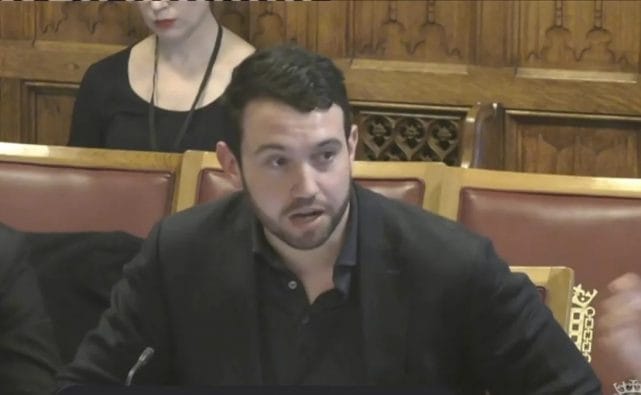
Wrote Joshi, pictured: "Ever since I started The Mill, this has essentially been the debate. We have been arguing that local journalism in this country has been cut to the bone, and that new reader-backed business models are required to revive it. And the corporate media companies that own most of our local newspapers have claimed they are doing just fine, while simultaneously cutting thousands of jobs to protect their profit margins.
"This week, a new voice entered the conversation: the government. And after spending a couple of years studying the industry, it has drawn the same conclusions that we have.
"In a long-awaited strategy document called the Local Media Action Plan, culture secretary Lisa Nandy writes that for local media to thrive across the country, “things have to change”. She notes that the foundations of local news “have been shaken” and that local newspapers have shut their doors and “thousands have lost their jobs”.
"These statements might sound obvious to you, but it’s a big deal that Nandy is writing them in a document that outlines the government’s position.
"Given the heavy lobbying power exerted by companies like Reach and Newsquest, it felt thrilling to see phrases like these in an official document: there has been “an overall decline in the provision of high quality local media across the UK”; “the local news needs of UK communities are increasingly not met”.
"Less thrilled was MEN editor Sarah Lester, despite the strategy highlighting some good work done by her paper. In an editorial claiming to “set the record straight about local news”, Lester took issue with Google for not promoting her website’s links enough and argued that the BBC is “increasingly parking its tanks on our lawn”.
"How so? The BBC is making small investments in local journalism (creating around 130 new roles) after years of making much, much larger cuts in its regional radio and TV budgets (well over 1,000 jobs have been lost over two decades).
"Those investments, Reach plc argues with extraordinary cynicism, are a threat to their stock market-listed business, which they seem to care about more than they do about the health of local journalism.
"The number of journalists employed by the three largest local news publishers (which now account for around 60pc of the local news publishing market) fell from circa 9,000 to circa 3,000 between 2007 to 2022. One of the most catastrophic collapses in any sector of the British economy this century.
"And the stock market listed company that generates more than £100m in annual profit after cutting thousands of those roles [tells us] that we should ignore the evidence of our eyes and ears.
"There are two responses to what’s happening in local journalism in this country. You can side with Reach plc and blame the BBC for their catastrophic failure to protect some of the most storied local newspapers in Britain.
"Or you can accept reality and be part of the solution: reading and backing reader-funded outlets that are rebuilding journalism from the ground up."
Sarah was part of a working group along with fellow Reach editor Natalie Fahy to help develop the Local News Strategy ahead of its publication last week.
In her editorial last week, she urged ministers to address the big tech algorithms which are continuing to affect the visibility of local journalism in search rankings, alongside the government's proposed £12m new funding for the sector.
She wrote: "There is a persistent myth that local journalism is in decline. Challenges exist, that much is true, but audiences at titles like the Manchester Evening News remain large, engaged and increasingly digital. In January we were read by eleven million readers across the UK and reached half of all people in Greater Manchester."
"But there are structural challenges. Big tech, algorithms, and the BBC, which is increasingly parking its tanks on our lawn, can make even the best reporting hard to find.
"I don’t think it’s widely understood how these algorithms from non-UK big tech companies exert a powerful influence over what people see, and the content they surface isn’t always the most accurate, useful, or even from the right source.”
"The £12 million Local News Fund is important, but online visibility is equally essential. If local reporting cannot be found, its relevance and impact are fatally diminished. A fair digital ecosystem, alongside funding, is vital to sustaining high-quality trusted local journalism."
Sarah declined to comment further when asked about Joshi's comments.



