
'Local journalism matters' says PM as ministers prepare to announce £6m of funding
Burnham ties success of local news outlets to devolution agenda
Andy Burnham has hailed the importance of local news as ministers prepare to announce a £6m package of funding for the industry.
In an article to mark the launch of Journalism Matters Week, the Prime Minister described local journalism as "part of the infrastructure of a healthy country."
It comes ahead of an announcement of the first tranche of recipients from the £6m a year Local News Fund, set up as part of the government's local media action plan in March.
Grants of up to £125,000 are being awarded to individual news organisations, while funding of up to £275,000 is available for projects that support the wider industry.
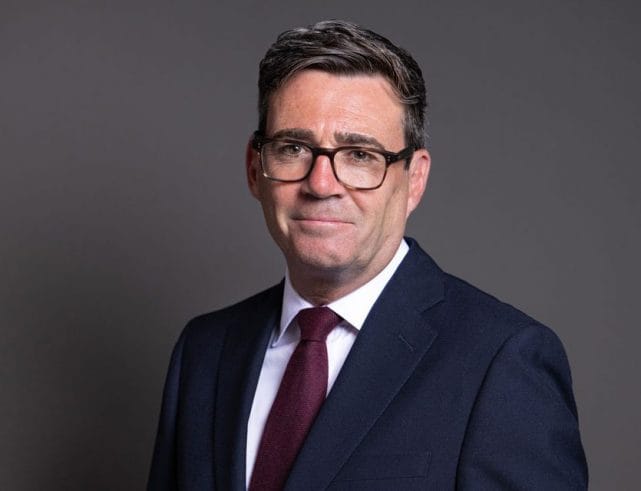
In his article, the Prime Minister drew a direct link between the survival of local news and the government's devolution agenda.
He wrote: “Too much power in this country has flowed one way: towards Westminster and away from the places where people actually live their lives.
"This government is changing that. We are putting power and resources back into the hands of communities. Because I want people in local communities to have a bigger say over the decisions that shape their area.
"But with greater local power must come local accountability. And that is why local journalism matters."
Mr Burnham added: "Local reporters are the people sitting in council chambers, courts and planning meetings, asking the questions that need to be asked.
"They shine a light on decisions made in people’s name and give communities a voice. But their role goes much further than holding power to account.
"At moments when communities are at their most vulnerable, good local journalism can bring people together and separate fact from fiction.
"We saw that after Southport and, more recently, in Belfast, when trusted reporters challenged lies and misinformation being spread online."
The Prime Minister also hailed the power of local news as a vehicle for change, citing the Manchester Evening News as an example.
He said: "I saw its power myself as Mayor of Greater Manchester. When the MEN campaigned for free bus travel for homeless children living in temporary accommodation, it didn't just report what was wrong, it brought people together to get behind the change that was needed.
"That is exactly what this year's Journalism Matters campaign is about: recognising journalism not as a nice-to-have, but as part of the national infrastructure of a healthy country and democracy. It holds power to account, strengthens our resilience and connects people to the places they call home.
"And yet access to good local journalism is becoming increasingly unequal. Up to 37 local authority districts now have no dedicated outlet of their own, leaving as many as 4.4 million people in local "news deserts", disproportionately in some of our most deprived urban communities."
The Local News Fund, first announced at the Society of Editors Conference in March, will see a total of £12m funding over the next two years to support the long-term provision of high-quality local news.
Next year's funding allocation will include £1m specifically targeted towards addressing the so-called news deserts – the 37 local authority areas mentioned by Mr Burnham that are without a dedicated local news service.
Responding to Mr Burnham's comments, News Media Association chief executive Theo Bamber said: "The Prime Minister is absolutely right to point to the critical role that independent journalism plays in our society and particularly how important local news will be to the success of his own sprawling devolution agenda.
"Now, the support shown by the Prime Minister must turn into real action that demonstrates the government understands the changed environment that journalists and news publishers are operating in and strengthens their ability to do more of what they’re brilliant at - chasing stories, uncovering the truth and holding power to account.
"This means the government must do everything in its power to maintain a free and plural media ecosystem where the value of journalistic content is recognised and protected, whether that’s from global tech companies or the consequences of poor policy decisions.
"Journalism and news publishing are part of our national infrastructure and need the protection and support that comes with that."
Below is the Prime Minister's article in full.
Journalism Is A Vital Part Of Our National Infrastructure
by Prime Minister Andy Burnham
Too much power in this country has flowed one way: towards Westminster and away from the places where people actually live their lives.
This government is changing that. We are putting power and resources back into the hands of communities. Because I want people in local communities to have a bigger say over the decisions that shape their area.
But with greater local power must come local accountability. And that is why local journalism matters.
Local reporters are the people sitting in council chambers, courts and planning meetings, asking the questions that need to be asked. They shine a light on decisions made in people’s name and give communities a voice.
But their role goes much further than holding power to account.
At moments when communities are at their most vulnerable, good local journalism can bring people together and separate fact from fiction. We saw that after Southport and, more recently, in Belfast, when trusted reporters challenged lies and misinformation being spread online.
And I saw its power myself as Mayor of Greater Manchester. When the Manchester Evening News campaigned for free bus travel for homeless children living in temporary accommodation, it didn't just report what was wrong, it brought people together to get behind the change that was needed.
That is exactly what this year's Journalism Matters campaign is about: recognising journalism not as a nice-to-have, but as part of the national infrastructure of a healthy country and democracy. It holds power to account, strengthens our resilience and connects people to the places they call home.
And yet access to good local journalism is becoming increasingly unequal. Ninety-five per cent of adults access local news, but the market alone will not sustain it everywhere. Up to 37 local authority districts now have no dedicated outlet of their own, leaving as many as 4.4 million people in local "news deserts", disproportionately in some of our most deprived urban communities.
I've spent my career arguing that where you live should not determine the opportunities you get. I believe exactly the same principle applies to information. People in every part of the country deserve trusted local news, scrutiny of those in power and a strong voice for their community.
So, the government is acting.
Through our Local Media Action Plan, the new Local News Fund will provide up to £12 million over two years. This is part of a wider package of measures we're delivering to support local journalism.
This year, local newspapers, websites and independent television and radio stations in England and Wales have been able to bid for up to £125,000 to invest in their future, whether that's new technology, multimedia journalism, reaching younger audiences or finding new ways to bring in revenue.
We have also made up to £275,000 available for projects that strengthen the wider industry. And in the second year, £1 million will help communities bring local journalism back where it has disappeared, whether by reviving a dormant title, expanding a neighbouring publication or establishing a community-owned outlet.
We’re doing this because devolution cannot simply mean moving power from one set of politicians to another. It has to mean giving people more of a say. For that to work, they need to know what is being done in their name. They need journalists willing to ask difficult questions, expose wrongdoing, challenge misinformation and champion their communities.
That is why I am proud to support this year's Journalism Matters campaign, and why this government will work to ensure trusted local journalism remains at the heart of communities across our country.



