
Industry attacks BBC "expansionism" as initiative gets thumbs down
Scheme to create 100 public service reporters criticised by industry
Regional press leaders have strongly criticised plans by the BBC to share content with local newspapers by creating a pool of 100 "public service reporters."
BBC Director-General Tony Hall announced proposals on Monday for the creation of a team of 100 reporters to provide coverage of councils and public services for both the corporation and commercial news outlets.
But the plans have been given a decisive thumbs-down from regional publishing bosses who have accused the corporation of "back door expansionism."
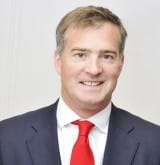
Newsquest chief executive Henry Faure Walker, speaking on BBC Radio 4's Today programme yesterday, said he had "a lot of concerns" about the announcement.
He said: "Our concern from a regional newspaper publisher perspective is that this could be some kind of Trojan horse under the guise of the BBC trying to be helpful, ie potentially it provides the mechanism for the BBC to recruit more local journalists through the back door and come into markets that we believe are already very well served by the thousands of journalists employed in doing great work for independent local news publishers.
Henry, pictured above, added there was no need for the BBC to assist regional publishers with their web traffic and he thought it was trying to come up with a "solution to a problem that doesn't exist".
Johnston Press chief executive Ashley Highfield, who is vice-chairman of the News Media Association, said the plans amount to "BBC expansion into local news provision".
"It is hard to avoid the conclusion that the BBC’s proposal - to create a network of 100 local public service reporters for towns and cities ‘run by the BBC’ and with the BBC itself able to ‘compete to win the contract’ – are anything other than BBC expansion into local news provision and recruitment of more BBC local journalists through the back door," he said.
"The local newspaper sector already employs thousands of journalists and is the only reliable source of independent and trusted local news across the UK."
"The BBC could benefit by tapping into this pool of local news through a system of arms-length content commissioning along the lines of independent production quotas.”
South Wales Argus editor Kevin Ward also hit out at what he called "expansionism hidden behind a paternalistic smile" in an editorial comment about the proposals.
Wrote Kevin: "The BBC has increased its local online output in recent years, often using news culled from local newspapers and often to the detriment of those original sources.
"Auntie’s answer to this is to employ 100 journalists around the UK to cover courts and councils with their stories made available to local newspapers. Its intention is to be ‘helpful’.
"Local newspapers like the Argus already send reporters to court hearings and council meetings on a daily basis. Far from being helpful, the BBC’s proposal simply offers more competition paid for by the public purse."
Bob Satchwell, executive director of the Society of Editors said: “It is good that that the BBC wants to co-operate rather than compete but in a partnership both sides have to benefit. The devil will be in the detail of how it can be achieved.
“Many editors would dispute the myth that courts and councils are not covered and may be happy to consider supplying news to the BBC on a commercial basis.
"There is also concern that, through its websites, the BBC could invade territory that is the lifeblood of local papers and their increasingly popular websites.
"The BBC does not have the time in broadcast bulletins to provide the in-depth detailed local coverage offered by local papers but its online operations are seen as a threat.”
The BBC's announcement, part of its plans for charter renewal, came after long-standing criticisms from within the regional press about the role the corporation has played in the difficulties facing the industry.
Its proposals also include creating a hub for data journalism and setting up a "News Bank" of local video and audio content which could be accessed by local newspapers.
Speaking on Monday, Lord Hall said the BBC would be opened up to other news providers through a new partnership, with the aim of helping local journalism to "thrive".
He said: "In future, the BBC would set aside licence fee funding to invest in a service that reports on Councils, courts and public services. And we would make available our regional video and local audio for immediate use on the internet services of local and regional news organisations."



