
Reach content chief denies u-turn over online paywalls
Publishers 'did themselves serious damage'
The editorial boss of Reach plc has denied suggestions that the company performed a 'screeching u-turn' over the implementation of online paywalls.
The publisher is currently in the process of rolling out its new 'premium' offering across its digital platforms, most recently with The Sentinel and the Nottingham Post.
Satirical magazine Private Eye has characterised the move as a "screeching reverse ferret" after years in which the company's senior executives advocated free online access.
But its chief content officer David Higgerson has defended the move and its timing, arguing that publishers who went down the paywall route prematurely "did themselves serious damage."
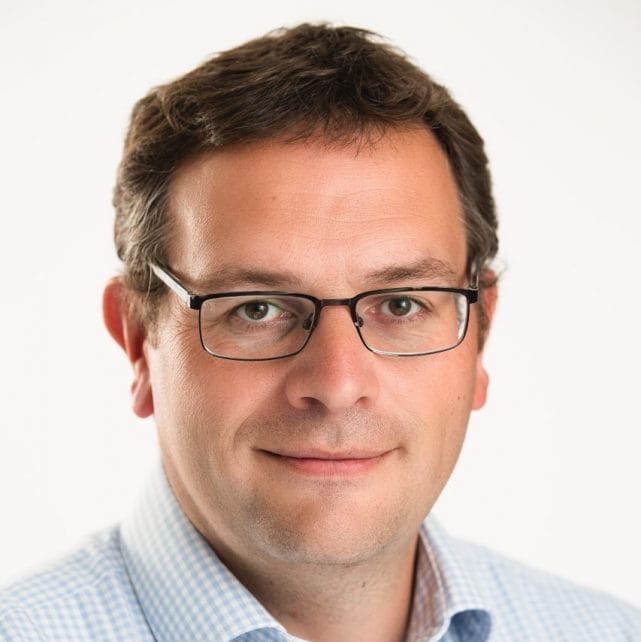
David's comments came in an interview with former Birmingham Mail and Teesside Gazette editor Steve Dyson for InPublishing magazine.
Asked whether the new strategy was a u-turn, David said: "There was a really simplistic, romantic view in local journalism about ten years ago that if we told the reader they should pay, they would do so in the volumes we had buying the newspaper.
"Local publishers who went down this approach did themselves serious damage. I argued against because I could see people voting with their feet – they were joining Facebook community groups, engaging on Twitter, sharing stuff on bulletin boards and so on.
"Our challenge was to be relevant to people in their digital lives, and that takes time."
David, pictured, explained that the audience reach that has been built up on the publisher's sites over the past decade had now "opened the door" to conversations about paywalls.
He said: "BirminghamLive is now read by one third of the West Midlands, the MEN by half of Greater Manchester, ChronicleLive by 60pc of people in Newcastle. That’s made us relevant to people where they are online, and that opens the door to talking about paying for journalism.
"What’s clear is, to make this work, you need scale. And that’s what we have – but within that scale we have north of three million very loyal readers in the UK who value what we do, and in many cases have asked whether we’d charge for an ad-lite experience.
"Editors are rightly proud of the journalism their teams do. Talking to readers about how they can help to fund that is much easier when we’ve been a constant in their digital lives for years."
The part-paywall model has so far been rolled out at the Manchester Evening News, Liverpool Echo, Wales Online, LeicestershireLive, ChronicleLive, BirminghamLive, Daily Record, Belfast Live and Yorkshire Live as well as in Stoke and Nottingham.
Added David: "What we’re hoping to do now is serve that scale, serve people who would not afford to pay for news, while also offering readers some choice if they choose to pay, ensuring an additional and steady revenue stream.”
"Wherever we get to with that sliding scale of free / metered / premium, we want to and need to keep the shop windows open.
"We’re not in the business of turning people off from even checking out our content. In a world where 90pc say they won’t pay, I think we have to ensure we create a system where reliable news isn’t the preserve of those who can pay and will pay, because if that happens, society will be the worse for it."
David had previously argued strongly in favour in maintaining free access across the company's websites.
In August 2014 he wrote: "Making all your content available on the platform the audience is clearly saying it prefers isn’t madness at all – it’s the bare minimum you can do to help your brand survive."
Then in November 2014 he wrote that "telling people they can get the truth only if they pay" ran the risk of "ill-informed resentment taking society to a much darker place."
The change in approach to online paywalls followed the departure of Jim Mullen as Reach's chief executive in spring 2025 and his replacement by Piers North.
Commenting on the interview, Steve told HTFP: "When I first spotted Reach's paywall plans, I immediately thought u-turn, and indeed that was only fuelled by how Private Eye described it as 'screeching reverse ferrets at Reach'.
"In fairness to David Higgerson, he was keen to be open about the reasons behind the new development and, while I still think he's having to partially eat his words, a lot of what he said makes sense.
"I guess we all have to face that we're in a fast-changing media world and that ideas that seemed sound ten years ago can change over time.
"That just seems to be happening a lot at Reach this year - from paywalls to the names of websites like NottinghamshireLive, er, I mean Nottingham Post!"



