Cases of online abuse against journalists doubled in 2025
Survey finds 'accelerating culture of digital hostility'
A survey has uncovered a growing culture of digital hostility towards journalists after cases of online abuse doubled in 2025.
Research carried out by publisher Reach plc found there were 517 separate online safety reports logged by journalists across its network between January 2022 and May this year.
The study, published today, also found that recorded cases of online abuse doubled from 2024 to 2025, signalling what Reach termed "an accelerating culture of digital hostility."
And it revealed that a disproportionate amount of the abuse was directed towards women journalists - much of it deeply misogynistic in nature.
The research, conducted by Reach's online safety editor Dr Rebecca Whittington, offered evidence of what she called a "misogynistic playbook."
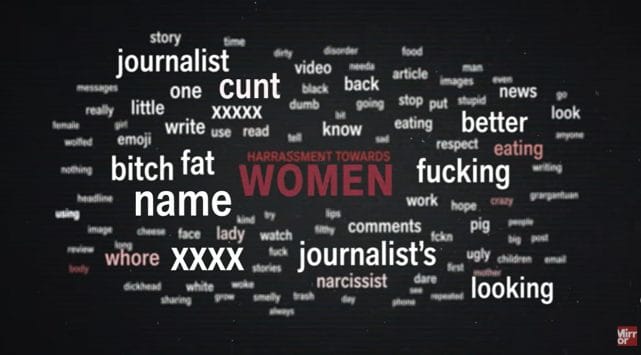
A word cloud revealed that apart from the journalists' name, the most frequently used terms included "cunt", "bitch" and "whore."
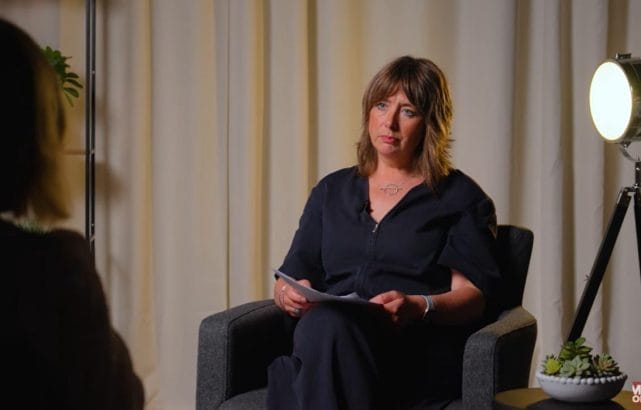
Said Rebecca, pictured above interviewing one of the survey participants: "I have witnessed forms of abuse online from a professional perspective for the past five years.
"The research outlined here demonstrates quite clearly that there is a higher rate of abuse against women and a greater risk to their professional and personal safety than men typically face.
"The evidence of misogynistic abuse has been apparent in the cases I have worked on since 2021. However, what has changed more recently is the number of individual events.
"In 2025, I recorded double the online abuse cases of the year previous. The rates of misogynistic online attacks are visibly increasing, yet no sufficient action is being taken to break this worrying trend."
The study found that online abusers often used personalised harassment tactics towards female journalists, using the journalist’s first or full name "to establish psychological intimacy and threat."
Almost half of the misogynistic abuse recorded was "designed to shame or degrade women journalists either personally or professionally," it said.
The abuse is also having a "chilling effect" on public interest reporting, with journalists expressing fear around threats being carried out or perpetrators arriving at their home, place of work or recognising them while commuting.
Reporting systems and police responses were found to be largely ineffective, leaving victims with a heavy burden of reporting and a lack of accountability for perpetrators.
The research has been used as the basis of a short documentary film being published by the Mirror today, entitled Occupational Hazard: The War on Women Online.
Chloe Hubbard, editor-in-chief of the Mirror, added: "This research lays bare what many in our industry have experienced: online abuse designed to intimidate, humiliate, and discredit female journalists.
"The data from more than 500 reports of online hate across Reach titles exposes the relentless hostility our reporters face simply for doing their jobs. Online abuse should never be tolerated as the price of a career in our industry.
"It is clear without a wider change to regulation of platforms and greater repercussions for abusive behaviours, women in public roles will continue to be abused online."