
Journalist's death was 'very complex case' says coroner
Publisher's regional print chief died aged 49
The tragic death of a regional journalist three days after going into hospital with headaches and blurred vision has been described as a "very complex case" by a coroner.
An inquest has taken place into the death of Peter Magill, head of print at Newsquest North West, who died at Warrington Hospital in June.
Peter, 49, arrived at A&E on 3 June complaining of headaches, blurred vision and an aversion to light and was transferred to an acute medical ward.
His condition appeared to be improving but on 6 June he was found collapsed in his room on the ward and could not be revived. He died from asphyxiation from a ligature.
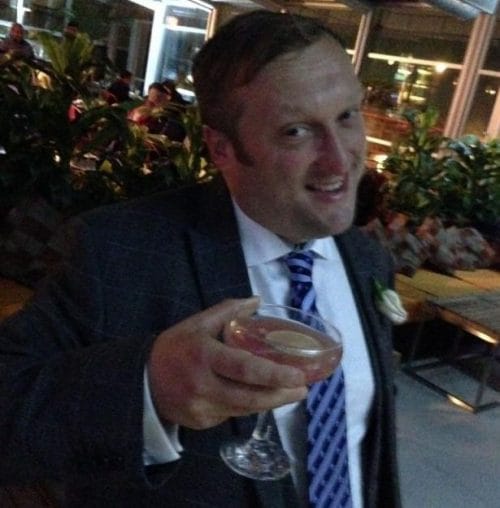
Recording a narrative verdict, assistant coroner Charlotte Keighley told the hearing at Cheshire Coroners Court the case was ‘extremely complex’ and there was no way to determine Peter’s intention that morning.
Ms Keighley confirmed Peter died from cardio respiratory failure from asphyxiation. He also had a gastric haemorrhage which pathologist Dr Chenggang Li said had probably been there for less than 24 hours before he died.
She added: “Although there is a great deal of evidence in this case, I consider it almost impossible to determine Mr Magill’s intention at the time or if he had the capability.
"It is a very, very complex case with a complex background of diagnoses.”
A journalist since the age of 18, Peter had worked in newsrooms across the North West including the Warrington Guardian and the Wigan Post and Observer.
At the time of his death he was managing the print editions of the Lancashire Telegraph and Bury Times.
Sarah Clark, Peter's sister, told the inquest he had suffered an episode of depression in 2004 and told his family at the time.
She said she believed that had he been suffering with his mental health again, he would have spoken to his close family and friends.
Peter had gone to his parents' home on June 1 complaining of headaches and tiredness and when his condition did not improve, his dad took him to A&E.
Dr Jonathan Chevassut told the court the initial suspicion was that he could have been suffering from either meningitis or encephalitis.
The court heard that the following morning, Peter became very confused, not knowing where he was and walking the corridors, and doctors became concerned he had mental health issues.
He appeared to be improving on the Thursday and a lumbar puncture carried out that day showed he had neither meningitis or encephalitis, a finding confirmed by the post mortem.
Peter was seen on the Friday morning by Dr Joshua Longden who said he appeared in better spirits, but a short while later, the emergency alarm was called from his room and he tragically died.
Speaking after his death Roger Airey, head of production for the North at Newsquest, said: "Pete was a tenacious, brilliant reporter with the ability to turn the most complex strands of information into an easily intelligible story expressed with the fewest words possible – a skill only the best journalists possess.”
Regional editor North West Richard Duggan added: “Pete was well-loved and hugely respected for the role he played in journalism in the North West for many years."
- If you are affected by any of the issues in this story, you can contact Samaritans for free on 116 123 or at jo@samaritans.org.



