
It's back to the office as publisher announces major restructure
Each title to get a named editor
Reporters working from home are to be sent back to the office and named editors appointed for every title in a major restructure by Iconic Media.
The regional publisher - formerly National World - has announced a series of radical changes in a bid to rebuild the link between local journalists and their communities.
New offices are to be opened with the aim of bringing editorial, commercial and operational teams back together and journalists employed in central "verticals" returning to local newsrooms.
And all editors and journalists will be aligned to the brands and regions in which they live and work, with every title having a named editor.
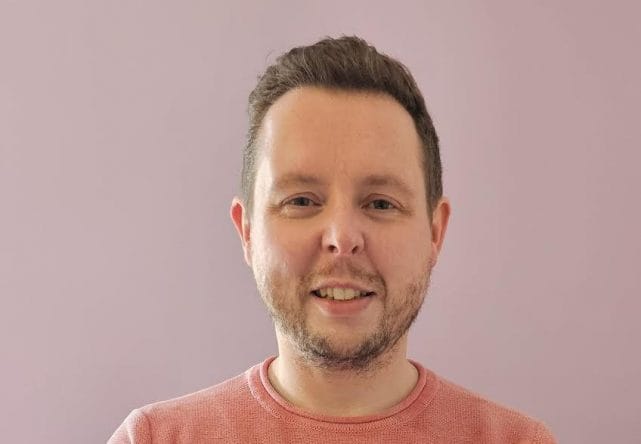
The proposals, set out in an email to staff from chief publishing officer Martin Little which has been seen by HTFP, represent a marked reversal from the centralisation that occurred in the latter part of National World's ownership.
In his email, Martin, pictured, concedes that some jobs that no longer fit the new structure will be lost, but there will be an overall net gain of 20 editorial roles, with the focus on "building capacity" in local newsrooms.
Individual editors will report to eight regional editors-in-chief in England and a further two in Scotland.
These have been named as Mark Waldron (South), David Summers (Central), Martin Wright (West Midlands), Nicola Adam (North West), Amanda Bourn (North East), Nancy Fielder (South Yorkshire/North Midlands), Laura Collins (Yorkshire North and West), James Mitchinson (Yorkshire Post), Alan Young (Scottish dailies) and Jill Buchanan (Scottish weeklies.)
Wrote Martin: "Local journalism will always be at the centre of our vision, with brands rooted in the regions they serve and journalists finding stories that celebrate, support and affect the communities they live and work in.
"To make that happen, it is essential our brands and people are visible in the places they serve and take pride in the work they do.
"We also need to bring back the creativity, spark and excitement of the newsroom by starting to return our journalists and editors to offices in the towns and cities we cover.
"We want to build our newsrooms once again so everyone can benefit from the sharing of ideas, skills and experience you get from working side by side. This is why we are opening offices in our regional footprint and encouraging people to return to office-based working where possible.
"Over the past year we have opened new offices in Edinburgh, Wolverhampton and Shrewsbury, with new ones shortly to be announced in Sheffield, Leeds and Belfast, and many more to follow - allowing us to bring editorial, commercial and operational teams closer together once again.
"But the job is not done and to take us to the next level we are going to re-shape our editorial operations around a clear local and regional publishing model - reflecting our belief that our journalism is strongest when editors and reporters are embedded in the places they serve.
"As part of this, editors and journalists will be aligned to the brands and regions in which they live and work, and every title in our network will have a named editor.
"Those currently working in the football vertical will return to local newsroom management, and separate print and digital teams will come together in locally focused, multi-platform newsrooms.
"We will also simplify our editorial structure by reducing duplication, resizing teams where appropriate and removing roles that are no longer required under the new model.
"At the same time, we will prioritise building capacity in our local newsrooms, ensuring resources are focused where they have the greatest impact for our audiences and our brands."
Meetings are due to take place this week at which the new structure will be explained to staff in more detail.
Iconic Media has been approached for further comment. The full text of Martin's email is below.
Good afternoon all, since the change in ownership in 2025, we have had a fantastic seven months getting to know our brands and people with work beginning on reshaping Iconic Media Group into a sustainable, long-term content business.
This is very much a journey and we have maintained the same number of journalists in the business as we had when the company was acquired whilst right-sizing our central functions in HR, IT and legal. We are now looking to reinvest back into the future of the business - local journalism.
Local journalism will always be at the centre of our vision, with brands rooted in the regions they serve and journalists finding stories that celebrate, support and affect the communities they live and work in. To make that happen, it is essential our brands and people are visible in the places they serve and take pride in the work they do.
We also need to bring back the creativity, spark and excitement of the newsroom by starting to return our journalists and editors to offices in the towns and cities we cover. We want to build our newsrooms once again so everyone can benefit from the sharing of ideas, skills and experience you get from working side by side.
This is why we are opening offices in our regional footprint and encouraging people to return to office-based working where possible.
Over the past year we have opened new offices in Edinburgh, Wolverhampton and Shrewsbury, with new ones shortly to be announced in Sheffield, Leeds and Belfast, and many more to follow - allowing us to bring editorial, commercial and operational teams closer together once again.
The accountability, leadership and direction that has come with the new offices has already produced some early positive results, with internal performance data showing growth in digital subscriptions, increased video consumption and relative strength against peers in both digital audience and print circulation.
But the job is not done and to take us to the next level we are going to re-shape our editorial operations around a clear local and regional publishing model - reflecting our belief that our journalism is strongest when editors and reporters are embedded in the places they serve.
As part of this, editors and journalists will be aligned to the brands and regions in which they live and work, and every title in our network will have a named editor.
We need to pivot the way we publish our content to be multi-platform, understanding that our digital, print and social platforms all need to be of the highest quality.
Those currently working in the football vertical will return to local newsroom management, and separate print and digital teams will come together in locally focused, multi-platform newsrooms. These will be supported by a strong central print production and design function to improve consistency and quality.
We will also simplify our editorial structure by reducing duplication, resizing teams where appropriate and removing roles that are no longer required under the new model. At the same time, we will prioritise building capacity in our local newsrooms, ensuring resources are focused where they have the greatest impact for our audiences and our brands.
This reshaping begins today in England and Scotland, with the appointment of Editors-in-Chief for each of our core geographic footprints. Each Editor-in-Chief will be the named editor of a brand and the most senior editorial leader in their region, with all title editors reporting to them.
Alongside these structural changes, we will continue to invest in future capability. This includes a renewed video strategy, plans to expand video journalism capacity over time, the launch of the Iconic Academy to develop new editorial talent, growth in our commercial editorial function and a refreshed approach to print production aimed at improving the quality of our newspapers.
Further detail on how and when these plans will be delivered will be shared as they are finalised but the net result will be that we have 20 more journalists working in our business by the end of June than we started 2026 with.
We recognise that the immediate question for many will be what this means in practice. I will be holding town hall meetings in each region over the coming weeks to explain the changes in more detail, outline next steps and answer questions directly. This will be an opportunity to understand how the new structure affects individual roles and local newsrooms.



