
Dyson at Large: Digital war looms for UK cities
Our blogger looks at digital-only launch by publisher
I bet there were a few frowns in various boardrooms at the ‘million unique users’ Trinity Mirror claims to have grabbed with its new Belfast Live website.
Here’s one of the UK's big publishers, with no regional print titles anywhere in Ireland, suddenly taking a chunk of online attention with the cheeky claim of being the ‘one-stop shop for all things Belfast’.
I can almost hear those indigenous voices over at Independent News and Media, publishers of the Belfast Telegraph, and the Northern Media Group, publishers of The Irish News: “What the hell are they doing over here?”
Bosses must also be a little peeved at Johnston Press, publisher of the Belfast News Letter, given that the newcomer’s online efforts are potentially encroaching on its revenues.
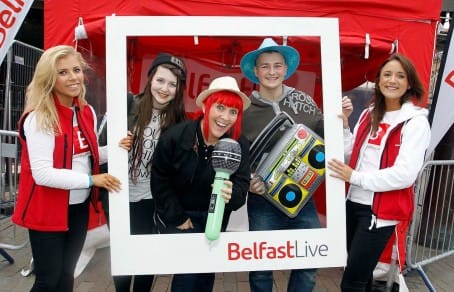
This is a really different approach by Trinity Mirror: setting up a digital-only news operation where it has no print presence.
(Yes, Get Reading is similar, but remember that’s where Trinity Mirror closed newspapers like the Reading Post and its sister weeklies first, whereas it had no regional newspapers in Belfast.)
As always, critics are questioning whether online revenues are substantial enough to make the new Belfast operation pay for serious journalism and still make profits.
The big difference to the usual debate here is that there are no huge staffing operation, expensive print products, physical distribution or other legacy costs to pay for.
If Belfast Live works, then the finance margins could be high: online revenue, minus four or five staff members and a small office rent, equals profit.
If it fails, the fall-out is minimal: just a handful of staff to lose or move elsewhere, and a short-term lease to surrender; nothing ventured, nothing gained.
But there’s a much, much bigger issue at stake: if this digital foray works in Belfast, where might Trinity Mirror digitally invade next?
Leeds, Sheffield, Wolverhampton, Norwich, Glasgow, Edinburgh, Aberdeen, Dublin – and those are just the first eight cities off the top of my head where Trinity Mirror has no regional print presence (note I've excluded cities with Local World products, as Trinity Mirror's shareholding might preclude competition).
And in what could then quickly become a tit-for-tat reaction across the industry, where might Johnston Press, Newsquest, Archant and others consider for their own digital-only launches?
Possibly Liverpool, Manchester, Birmingham, Cardiff, Newcastle, Coventry, Middlesbrough, Huddersfield – and those are just the eight major bases for Trinity Mirror dailies, where the other big publishers currently have no newspapers.
If this happens – and if Belfast Live is in any way successful why wouldn’t it happen? – the old arguments about monopolies law preventing expansion are turned inside out.
Instead you’ll have urban areas that were once regional strongholds for Johnston Press, Newsquest, Trinity Mirror, Archant and Local World potentially becoming highly competitive marketplaces.
And then anyone with decent editorial and sales skills, plus a minor investment, will be able to set up shop to grab readers’ eyes and revenues away from traditional brands.
Part of me dreads the result: the native newspaper groups in those areas losing more profitability and therefore making more cuts, an ever-decreasing vortex of resource, quality, readership, revenues and profits disappearing down the plughole.
But another part of me suspects that this competition could be healthy, and that the possible winners of such digital battles might be the general public.
Because only the best quality content would win their attention – leading to more hits, larger numbers of unique users, increased online revenues and bigger profits.
In some cities, the in situ publisher might up their investment in editorial quality to remain the number one publisher; but if the invader’s quality is higher, they survive and media choice improves.
Who’d have thought it? Publishers expanding, increasing their investments in editorial quality, and battling for online audiences and revenues in the UK's major cities.
None of this might happen, of course – but it will be worth watching progress in Belfast, as that could become the trigger for a regional media digital war.



