
BBC 'should not undercut local media' say MPs
Local and regional news is 'delicate ecosystem' - report
A committee of MPs has urged the BBC not to "undercut" local independent media in a wide-ranging report on its future.
In a report on the forthcoming BBC Charter renewal, the backbench Digital, Culture, Media and Sport Committee described local and regional news as a "delicate ecosystem" and urged the corporation to work in partnership with the sector rather than seeking to replace it.
The Committee said that in competing with local news publishers, the BBC risked "reducing the reach of trusted voices" in some areas and demographics.
It also said the corporation should value the role played by local radio - in a week when it was reported that 90 jobs are at risk in BBC regional TV and radio news.
Today's report said: "The BBC plays a critical role in providing local news for all parts of the UK and supporting the wider local media ecosystem through partnerships with local journalism.
"However, we heard that reporting on local issues was in “significant decline” and that there were an estimated 4.4m people in the UK living in “news deserts” – areas without a dedicated local news provider.
"We heard that the ability of the BBC to respond to these challenges has been hampered by the cuts to BBC local services, as well as concern that the BBC was treading on the toes of the commercial sector.
"Our evidence emphasised the need for the BBC to continue and expand its work in partnership with local news providers. One of the key partnerships is the Local Democracy Reporting Service (LDRS) which funds 165 reporters who cover local democratic bodies such as local authorities, mayors and combined authority areas."
It concluded: "The decline of local media and the growth in news deserts will only lead to a less informed society and less public engagement with local events. The BBC plays a part in addressing this challenge and can better do this through partnerships such as the Local Democracy Reporting Service.
"Local and regional news is a delicate ecosystem involving both public service and commercial operators, in addition to social media.
"The BBC has to define its role within this ecosystem. It should aim to support, not undercut or replace, other regulated news providers.
"In doing so, it risks reducing the reach of trusted voices in some local areas and among certain demographic populations, and giving more space to the unregulated voices on social media."
Giving evidence to the committee, the News Media Association told MPs that the BBC had had a "negative effect" upon local media, although Ofcom research has found no direct evidence of it displacing local news providers.
Commenting on the report, NMA chief executive Theo Bamber said: “A free and plural news ecosystem is the heartbeat of our democracy. Local news publishers are central to this, but they are currently being crowded out by a BBC that is intent on expanding its own digital news services even where this means inefficient duplication or a lack of local knowledge.
"The Committee is right to say the BBC must aim to support, not undercut, the commercial sector as it highlights the exciting opportunity for partnership with local publishers - a move that is important for the health of the UK’s information environment.
"But the reality is that nothing will change without a more concrete agreement on how this works in practice, and that’s what this Charter Review needs to deliver."
The report also called for an end to political appointments to the BBC board and for the current decennial Charter review to be the last.
"The fact that the BBC's existence is called into question every 10 years creates an avoidable opportunity for political interference which has damaged the perception of the BBC's independence. The committee therefore recommends the next BBC Charter be a permanent charter and not include an end date," it said.
The Committee called for the licence fee to be reformed so it is no longer linked to the consumption of live TV or to a particular device, such as a television set, arguing that this should be an "easier sell" to licence fee payers if expanding the base is paired with a drop in the individual cost.
And it called on the BBC to stop "paying over the odds" for overseas content, particularly when in a bidding war against commercial UK broadcasters.
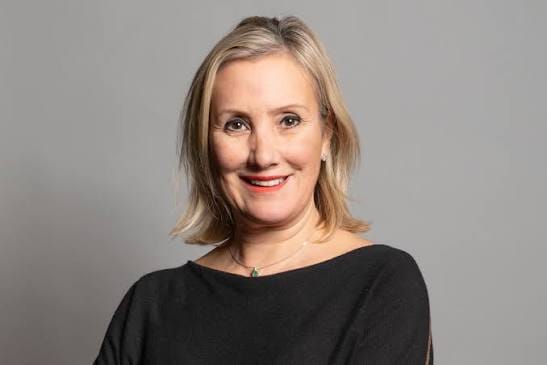
Committee chair Dame Caroline Dinenage, pictured, said: "This is a pivotal moment for the BBC. Continue along the current path and we condemn a national institution to managed decline, squandering the immeasurable benefits it brings to our economy and society.
"For all its faults, the BBC drives our creative economy, supports our democracy through media sovereignty, and delivers world-class entertainment and moments that bring us together. Like a much-loved family member, we may criticise and grumble about the BBC but we would miss it enormously if it were no longer here for us.
"The next Charter can provide a springboard for the BBC’s success for years to come. The government must ensure the broadcaster has a sustainable and universal source of funding, while the BBC can play its part by sweating its assets and boxing clever for the licence payer by ending illogical practices such as outbidding commercial rivals for overseas hits such as Suits, Schitt's Creek and Scooby Doo.
"Now is the time for the government and BBC together to grasp the opportunity to create a leaner, more efficient broadcaster that is equipped to compete on the global stage and is a beacon of trust both at home and abroad."



