
Agency boss hits out at colleges over lack of job applicants with 100wpm shorthand
News chief says not one candidate among dozens had qualification
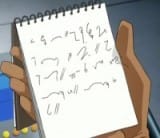
A news agency boss has blamed journalism colleges for a lack of job applicants able to write shorthand at 100 words per minute.
Jon Harris, who runs Manchester-based Cavendish Press, has criticised training centres which do not make shorthand compulsory after an advertisement he placed failed to attract a single candidate with the National Council for the Training of Journalists' 100wpm certificate.
Jon, who is also chairman of the National Association of Press Agencies, received dozens of responses after placing the advert on HTFP, but those who applied had at best 80wpm shorthand and at worst no qualification in the subject at all.
All NCTJ-accredited courses teach shorthand as part of their news journalism training, but it is not compulsory for those choosing other options.
Said Jon: "I personally blame some colleges for failing to make shorthand compulsory when they should regard it as a basic tool of the trade for journalists.
"I could of course pay for journalists to get trained up in shorthand surely this should be the job of the journalism colleges. My role is offering on-the-job training at the coal face but the journalists have to have the basics.
"We currently have this ludicrous notion that an NCTJ reporter with 100wpm shorthand has achieved a 'Gold Standard' qualification.
"I very much doubt a college course which trains carpenters would award their students a 'Gold Standard' qualification simply if they can saw straight."
He added: "Some will argue shorthand went out with the Ark but the reality is it is more relevant now to the industry than ever before especially in this post-Leveson complaint crazy era we live in as journalists.
"In my view it is even more important now than having a driving licence. Tape devices are fine for doorsteps and interviews and I appreciate shorthand is not a necessity for blogging.
'But our business model primarily involves covering courts, tribunals and inquests which as everyone in the industry knows fills a big part of the daily newslist - particularly for print publications. Quite simply journalists need to have a minimum of 100wpm shorthand to cover the courts properly - given the fact the average person speaks around 125-150 words a minute."
Jon added his own reporters had remarked to him that they had seen other journalists in court "struggling" to take down testimony in longhand.
He said: "Some courts will allow proceedings to be filmed but the vast majority of them don't - and shorthand is the only viable alternative of getting accurate and detailed coverage of them.
"In the event defendants complain about coverage which now seem to happen on virtually a weekly basis, we are on 99.9 per cent of occasions able to mitigate and dismiss those complaints simply thanks to the fact we have the relevant quotes from the court to back up our stories. We could not do that comfortably if the reporters did not have 100wpm.
"Our reporters have often commented on other journalists without shorthand trying to cover a court case alongside them - and struggling as they attempt to get the evidence down in longhand.
"Covering courts involves a lot of due diligence to ensure the content is accurate, detailed and interesting to the reader - and our customers at bother regional and national publications would quite rightly expect our staff to have the relevant shorthand to achieve that."
An NCTJ spokeswoman said: "Shorthand is a fundamental skill for reporters, which is why all NCTJ-accredited courses teach shorthand as part of their news journalism training.
"In fact, it’s an extremely useful skill for all journalists and we always encourage our students and trainees to aim for speeds of 100wpm and higher, in order to improve their employment prospects and prepare them for the demands of the job."



